
click to view
Premio alla memoria del Professor Luca Bertolini
III EDIZIONE – ROMA - SETTEMBRE 2024
In occasione della settima edizione della conferenza "New Boundaries of Structural Concrete 2024" (https://www.aciitaly.com/events/nbsc2024), organizzata dall’American Concrete Institute – Italy Chapter, il Dipartimento di Ingegneria Civile e Ingegneria Informatica e il Centro dipartimentale TERC e che si terrà a Roma il 19-20 settembre 2024, verrà assegnato il Premio alla memoria del Professor Luca Bertolini (1966-2017) che ha dedicato in modo appassionato la sua attività scientifica e didattica alla Scienza e Tecnologia dei Materiali e alla Durabilità delle Costruzioni.
STRUCTURAL, anche quest’anno con piacere ha sostenuto l’iniziativa.Scarica il comunicato
Premio – Esito Valutazione
.jpg)
click to view
Structural Magazine 250
THE NEW ISSUE ONLINE
Disponibile online il nuovo numero di Structural. Ecco in breve i temi trattati: il sistema strutturale HB per strutture in legno per medie e grandi luci sviluppato negli anni ’40 riesaminato alla luce delle tecniche di produzione odierne; il Progetto di Ricerca BRIDGE|50 e la campagna sperimentale su travi da ponte dopo 50 anni di vita; le tappe dei progetti e delle perizie tra il XV e il XIX secolo sulla cupola del Duomo di Bergamo; breve storia dell'ingegneria strutturale nel restauro dei monumenti in Perù ed il ruolo dell’ing José Marroquin Paiva; il rischio di attivazione di frane nelle Dolomiti.
QUI IL SOMMARIO-CONTENTS HERE
QUI IL SOMMARIO-CONTENTS HERE
click to view
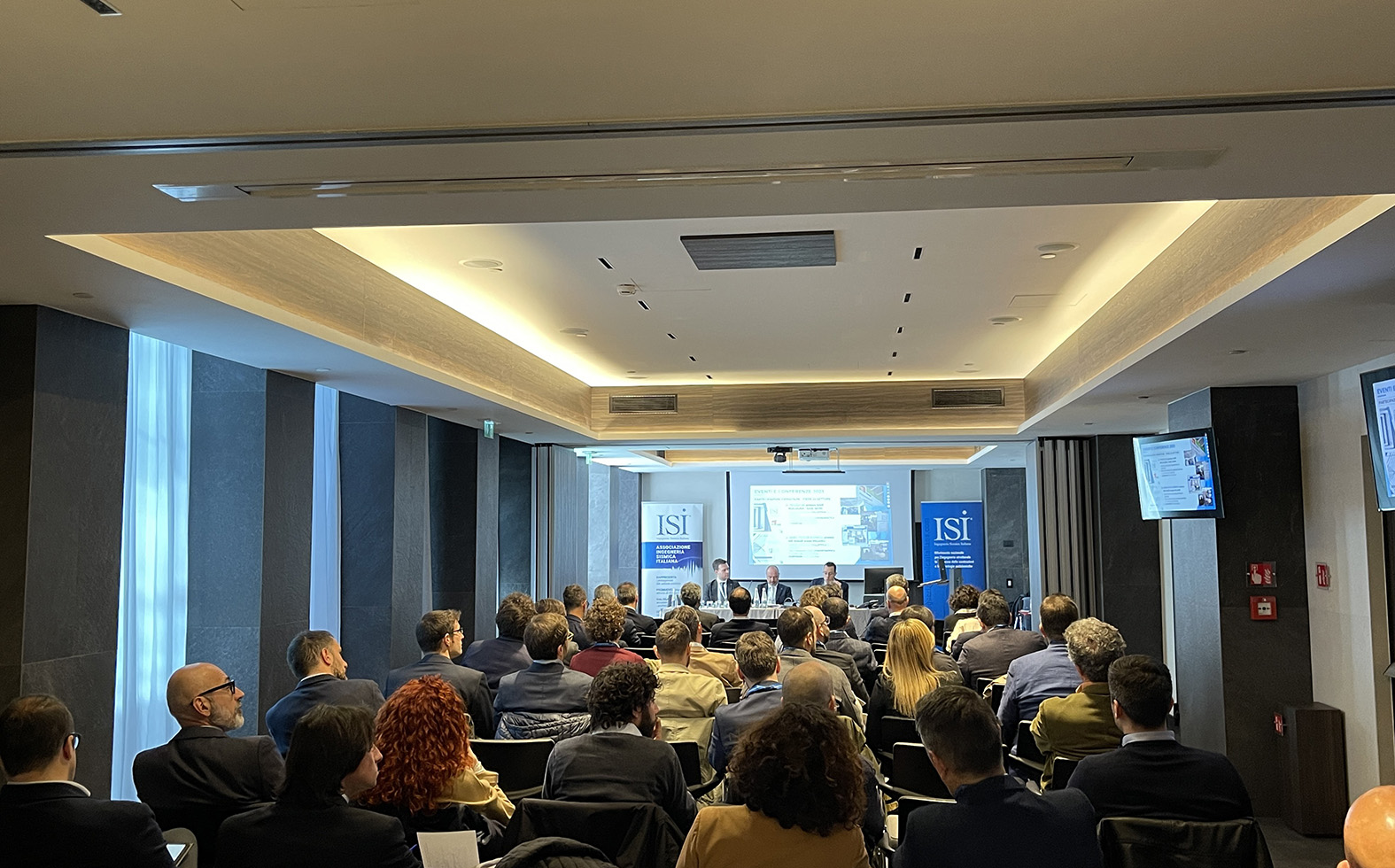
Comunicato stampa - Assemblea Ordinaria: un anno di forte crescita e prospettive future
Comunicato stampa - Assemblea Ordinaria: un anno di forte crescita e prospettive future
click to view
Premio alla memoria del Professor Luca Bertolini
(III Edizione – Anno 2024)
Luca Bertolini (1966‐2017) ha dedicato in modo appassionato la sua attività scientifica e didattica alla Scienza e Tecnologia dei Materiali e alla Durabilità delle Costruzioni.
Il Premio è rivolto a coloro che, svolgendo ricerca nell’ambito dei materiali da costruzione e della loro durabilità in Università e Istituti o centri di ricerca italiani, oltre ad associazioni e consorzi attivi, si siano distinti per aver pubblicato un lavoro scientifico con caratteristiche di originalità, innovazione e rigore metodologico ed evidenti elementi di ricaduta positiva negli stessi settori.
Il bando per l’assegnazione del Premio alla memoria del professor Luca Bertolini (terza edizione – anno 2024) è stato emanato dal Comitato Organizzatore, costituito dal prof. Luigi Coppola (Università di Bergamo), dalla prof. Maddalena Carsana (Politecnico di Milano) e dalla prof. Francesca Tittarelli (Università Politecnica delle Marche).
La Commissione Giudicatrice è composta dal prof. Edoardo Proverbio (Università degli Studi di Messina), prof. Sergio Lorenzi (Università degli Studi di Bergamo), prof. Stefania Manzi (Università di Bologna), prof. Federica Lollini (Politecnico di Milano).
Le domande di partecipazione dovranno essere presentate entro il 15 giugno 2024, secondo le modalità indicate nel bando. Al vincitore sarà assegnato un premio del valore di 3000 €.
Il Premio è rivolto a coloro che, svolgendo ricerca nell’ambito dei materiali da costruzione e della loro durabilità in Università e Istituti o centri di ricerca italiani, oltre ad associazioni e consorzi attivi, si siano distinti per aver pubblicato un lavoro scientifico con caratteristiche di originalità, innovazione e rigore metodologico ed evidenti elementi di ricaduta positiva negli stessi settori.
Il bando per l’assegnazione del Premio alla memoria del professor Luca Bertolini (terza edizione – anno 2024) è stato emanato dal Comitato Organizzatore, costituito dal prof. Luigi Coppola (Università di Bergamo), dalla prof. Maddalena Carsana (Politecnico di Milano) e dalla prof. Francesca Tittarelli (Università Politecnica delle Marche).
La Commissione Giudicatrice è composta dal prof. Edoardo Proverbio (Università degli Studi di Messina), prof. Sergio Lorenzi (Università degli Studi di Bergamo), prof. Stefania Manzi (Università di Bologna), prof. Federica Lollini (Politecnico di Milano).
Le domande di partecipazione dovranno essere presentate entro il 15 giugno 2024, secondo le modalità indicate nel bando. Al vincitore sarà assegnato un premio del valore di 3000 €.
click to view
PREMIO aicap 2024
REALIZZAZIONI DI OPERE E PROGETTI DI OPERE IN CALCESTRUZZO STRUTTURALE
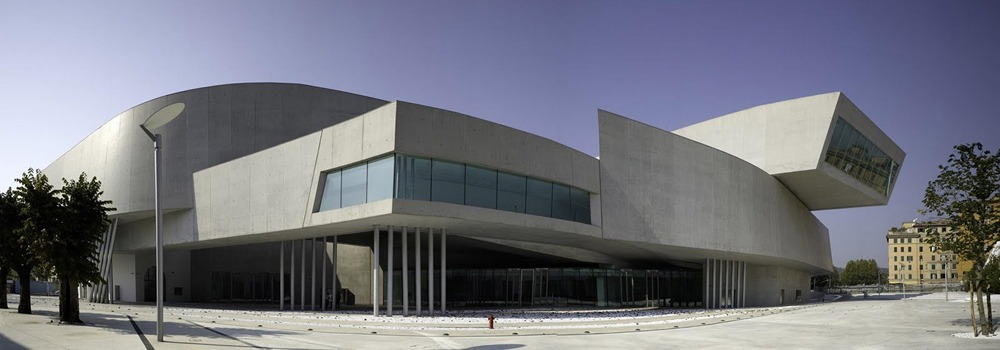
L’aicap indice la ottava edizione del Premio “di eccellenza” per opere realizzate in calcestruzzo strutturale e dalla precedente edizione anche per progetti di opere da realizzarsi in calcestruzzo strutturale.
Il Premio è stabilito per le seguenti due categorie:
- Opere già realizzate
- Progetti di opere e per ciascuna categoria si distinguono le sottocategorie:
- Edifici
- Opere infrastrutturali
Per ciascuna categoria saranno nominati due vincitori: uno per la sottocategoria edifici e uno per la sottocategoria opere infrastrutturali.
Il Premio ha carattere simbolico e le modalità di partecipazione e di giudizio sono indicate nel REGOLAMENTO.
Le opere ammesse a partecipare sono quelle ultimate successivamente ad aprile 2022 (data del bando della precedente edizione del Premio). I progetti debbono essere stati redatti negli ultimi 6 anni.
Le candidature, complete della documentazione indicata all’art. 8 del Regolamento, dovranno pervenire alla sede aicap entro il giorno
Martedì 30 Aprile 2024
I Premi saranno assegnati in occasione della Italian Concrete Conference 2024 (Firenze, 19-21 giugno 2024), nel corso della quale tutte le opere concorrenti saranno illustrate.
Il Presidente
Franco Angotti
Il Premio è stabilito per le seguenti due categorie:
- Opere già realizzate
- Progetti di opere e per ciascuna categoria si distinguono le sottocategorie:
- Edifici
- Opere infrastrutturali
Per ciascuna categoria saranno nominati due vincitori: uno per la sottocategoria edifici e uno per la sottocategoria opere infrastrutturali.
Il Premio ha carattere simbolico e le modalità di partecipazione e di giudizio sono indicate nel REGOLAMENTO.
Le opere ammesse a partecipare sono quelle ultimate successivamente ad aprile 2022 (data del bando della precedente edizione del Premio). I progetti debbono essere stati redatti negli ultimi 6 anni.
Le candidature, complete della documentazione indicata all’art. 8 del Regolamento, dovranno pervenire alla sede aicap entro il giorno
Martedì 30 Aprile 2024
I Premi saranno assegnati in occasione della Italian Concrete Conference 2024 (Firenze, 19-21 giugno 2024), nel corso della quale tutte le opere concorrenti saranno illustrate.
Il Presidente
Franco Angotti
.jpg)
click to view
STRUCTURAL MAGAZINE 249
The new issue online
Disponibile online il nuovo numero di Structural dedicato a ponti in cemento armato precompresso a cavi post-tesi. Il numero raccoglie contributi relativi ad aspetti di diagnostica e monitoraggio quale risultato di prove e tecniche di differente tipologia, dalle modalità procedurali alle tecniche non distruttive, dalla metodologia GPR alla tomografia sonica, da proposte di procedure condivise di indagine alla quantificazione di test.
Contributi di: Alessio Lupoi, Isabella Mazzatura, Simone Celati, Silvia Caprili, Walter Salvatore, Alessio Ficociello; Bernardino Chiaia, Giulio Ventura, Oscar Borla, Mauro Corrado; Guido Tronca; Alberto Gennari Sartori; Stefano Zorzi, Mattia Francesco Bado e Daniele Zonta.
QUI IL SOMMARIO-CONTENTS HERE
Contributi di: Alessio Lupoi, Isabella Mazzatura, Simone Celati, Silvia Caprili, Walter Salvatore, Alessio Ficociello; Bernardino Chiaia, Giulio Ventura, Oscar Borla, Mauro Corrado; Guido Tronca; Alberto Gennari Sartori; Stefano Zorzi, Mattia Francesco Bado e Daniele Zonta.
QUI IL SOMMARIO-CONTENTS HERE
click to view
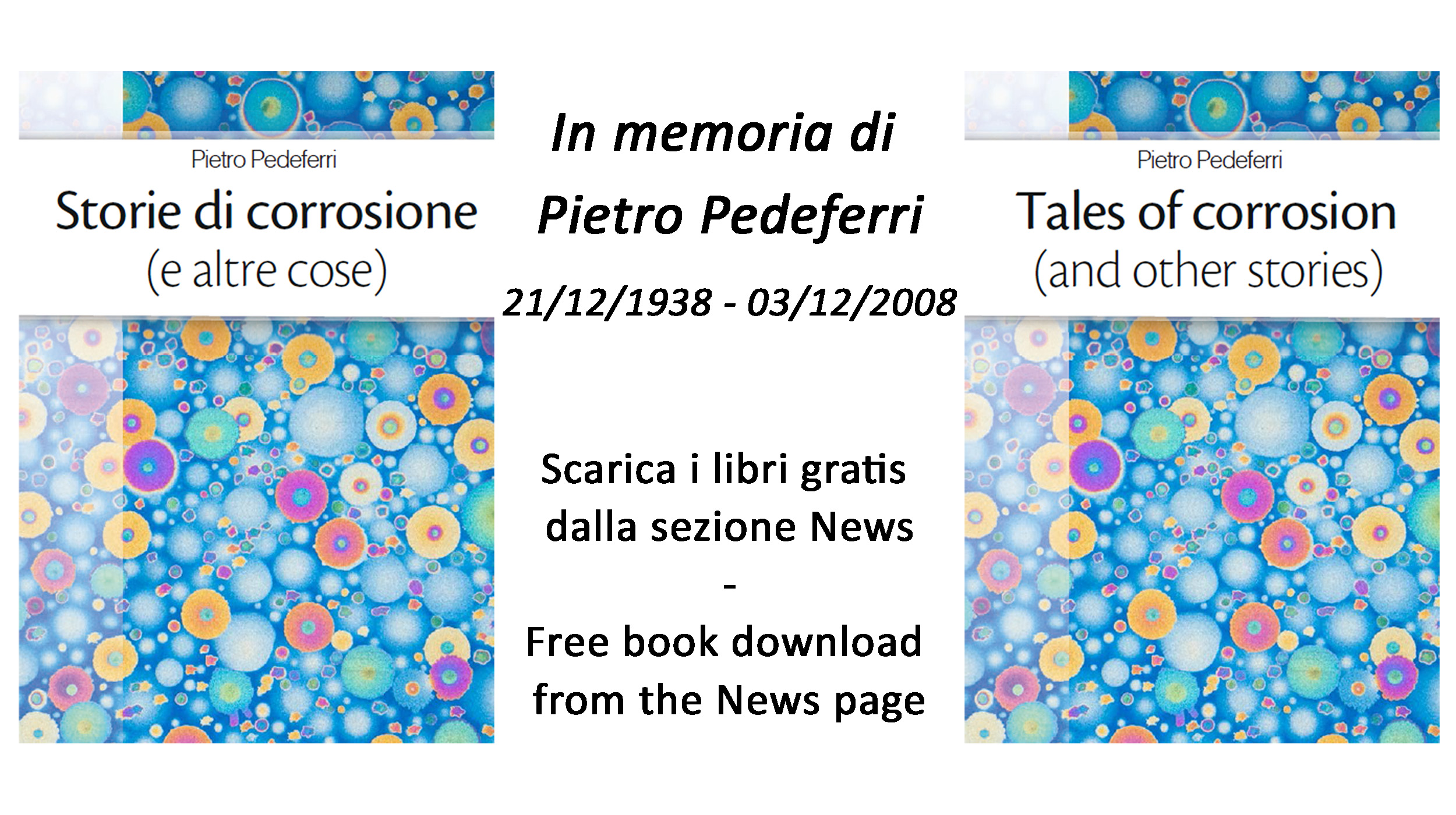
Storie di corrosione (e altre cose)
Quindici anni fa, il 3 dicembre, ci lasciava Pietro Pedeferri, figura di riferimento fondamentale per la scienza e l’ingegneria della corrosione a livello internazionale.
Il gruppo di ricerca PoliLapp, dedicato alla sua memoria, ha raccolto alcuni suoi scritti divulgativi nel volume “Storie di corrosione (e altre cose)”.
Questo testo è disponibile per il download sul sito di PoliLaPP, anche nella versione inglese.
https://polilapp.chem.polimi.it/news/
Il volume è una raccolta di alcune delle pubblicazioni, le Storie di corrosione, scritte da Pietro Pedeferri nel corso della sua vita.
In queste letture la corrosione è il fil rouge che lega la sua attività di scienziato e ingegnere, a quella di docente e artista.
Nelle letture sono infatti narrati episodi della sua vita, esperienze legate alla sua professione di professore universitario e di esperto di problematiche di durabilità dei materiali metallici, e alla sua vita di artista del titanio.
Il gruppo di ricerca PoliLapp, dedicato alla sua memoria, ha raccolto alcuni suoi scritti divulgativi nel volume “Storie di corrosione (e altre cose)”.
Questo testo è disponibile per il download sul sito di PoliLaPP, anche nella versione inglese.
https://polilapp.chem.polimi.it/news/
Il volume è una raccolta di alcune delle pubblicazioni, le Storie di corrosione, scritte da Pietro Pedeferri nel corso della sua vita.
In queste letture la corrosione è il fil rouge che lega la sua attività di scienziato e ingegnere, a quella di docente e artista.
Nelle letture sono infatti narrati episodi della sua vita, esperienze legate alla sua professione di professore universitario e di esperto di problematiche di durabilità dei materiali metallici, e alla sua vita di artista del titanio.
.jpg)
click to view
CHIMENEAS DE LABRAR Structural reinforcement
CHIMENEAS DE LABRAR Progetto di consolidamento strutturale
.jpg)
click to view
SILANE-BASED CORROSION INHIBITOR TO REDUCE THE CARBONATION RATE OF EXISTING REINFORCED CONCRETE RAILWAY’S TUNNELS
INIBITORI DI CORROSIONE MIGRANTI PER IL MIGLIORAMENTO DELLA RESISTENZA ALLA CARBONATAZIONE DI RIVESTIMENTI DI GALLERIA IN CALCESTRUZZO ARMATO
.jpg)
click to view
An educational kit to support experimental mechanics courses in engineering schools
Un kit didattico a supporto dei corsi di meccanica sperimentale nelle scuole di ingegneria
.jpg)
click to view
THE STRUCTURAL DESIGN OF INSULATED GLASS. The BAM method for the determination of the load sharing
LA PROGETTAZIONE STRUTTURALE DEL VETROCAMERA. Il metodo BAM per la valutazione della ripartizione dei carichi
.jpg)
click to view
On the engineering utilization of simulated earthquake ground motions
Sull’utilizzo ingegneristico di accelerogrammi simulati del moto sismico del terreno
.jpg)
click to view
STRUCTURAL MAGAZINE 248
The new issue online
Disponibile online il nuovo numero di Structural. Ecco in breve i temi trattati: l'utilizzo ingegneristico di accelerogrammi simulati del moto sismico del terreno; la progettazione strutturale del vetrocamera e la presentazione del metodo BAM per la valutazione della ripartizione dei carichi; un kit didattico a supporto dei corsi di meccanica sperimentale nelle scuole di ingegneria; la presentazione di nuovi inibitori di corrosione migranti per il miglioramento della resistenza alla carbonatazione di rivestimenti di galleria in c.a. e il progetto di messa in sicurezza strutturale delle Chimenas de Labrar in Cile.
QUI IL SOMMARIO-CONTENTS HERE
QUI IL SOMMARIO-CONTENTS HERE
.jpg)
click to view
.jpg)
.jpg)